



Ho Chi Minh City, Vietnam — 20 April 2026
A delegation from Luis Aguado National High School paid a benchmarking visit to SEAMEO CELLL on Monday, marking a step forward in regional cooperation on inclusive and lifelong learning.
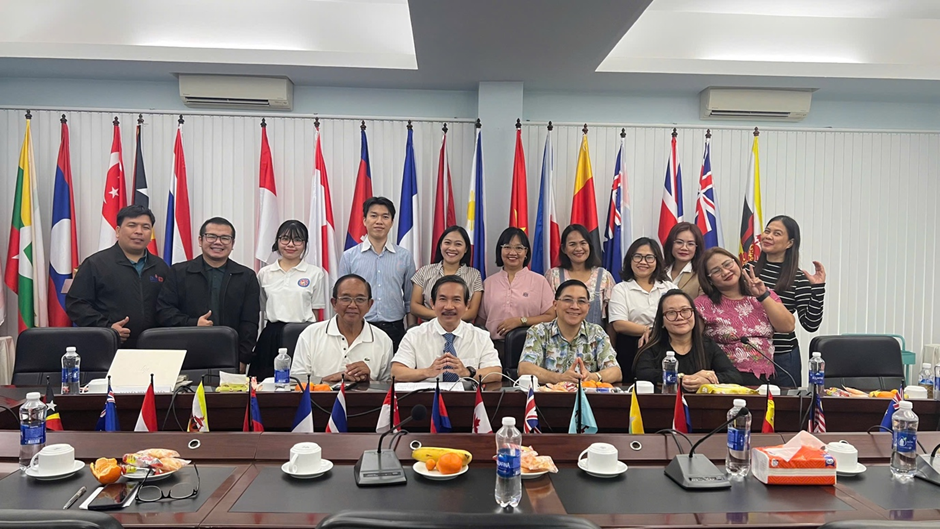
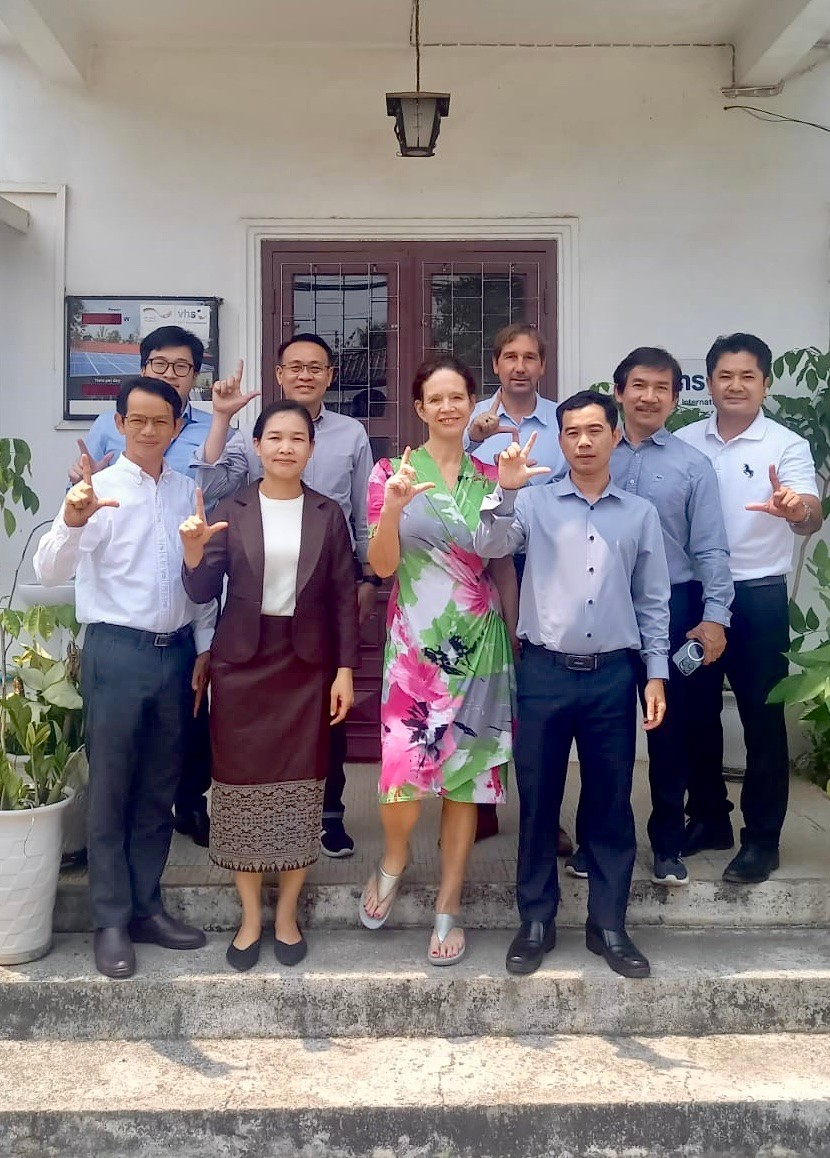
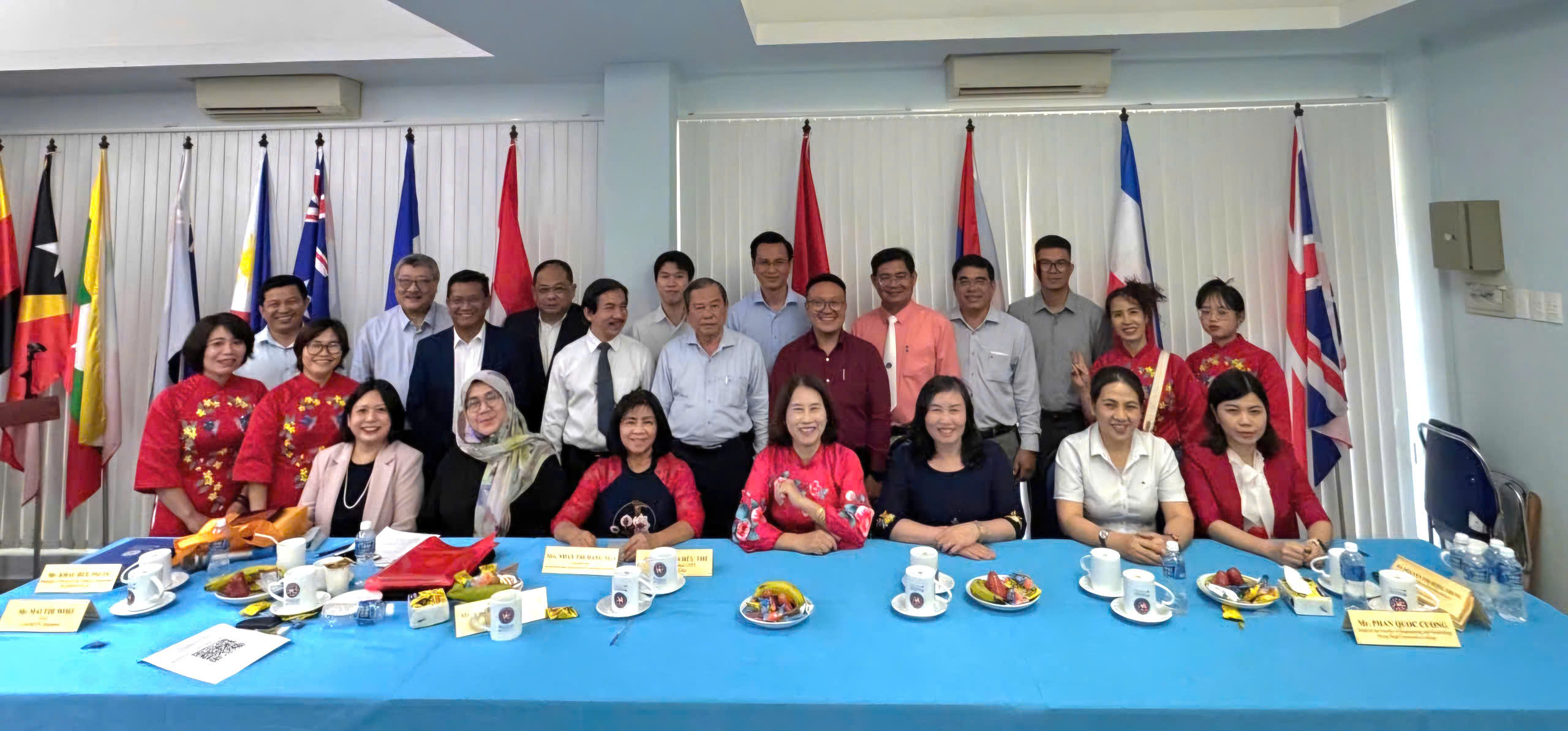
The 10-member delegation was led by Principal IV Luis Vinegas and included representatives of the donors, programme specialists, IT and communications staff, and subject teachers. They were received by Dr Le Thi My Ha-SEAMEO CELLL Director (online), Mr. Khau Huu Phuoc, Head of Research and Training at SEAMEO CELLL, alongside representatives from the centre’s international cooperation, finance and planning, and administrative divisions.
Welcoming the visitors, Mr. Phuoc expressed confidence that the meeting would produce concrete outcomes and help shape future collaboration between the two institutions. Mr. Vinegas, in turn, thanked the centre for its hospitality and underscored the importance of the visit in strengthening mutual understanding and partnership.
During the session, the Philippine delegation presented an overview of the country’s public education system, outlining its organisational structure, recent reforms, and key achievements, while also acknowledging ongoing challenges in improving quality and equity. The school also shared its own vision and development strategy, highlighting its efforts to build a more inclusive learning environment with the involvement of families and communities. In recent years, Luis Aguado National High School has engaged with several regional centres of the Southeast Asian Ministers of Education Organisation, including collaborations with SEAMEO QITEP in Science and SEAMEO RECSAM, as well as study visits to SEAMEO STEM-ED and SEAMEO SEPS in Thailand.
The school identified SEAMEO CELLL as a key partner in moving forward and seeking to ensure that “no learner is left behind” by supporting students who struggle academically. One initiative highlighted was its “Back to Basic Mathematics” programme, designed to help students rebuild foundational numeracy skills. According to the school, around 111,000 students who had previously failed mathematics assessments participated in the programme, with 95 per cent passing after completion of the programme.
Mr. Phuoc praised the school’s forward-looking approach, noting that while many formal education schools focus primarily on curriculum delivery and examinations, Luis Aguado National High School actively engages the wider community in supporting student learning. He also expressed admiration for the dedication of its teachers, who, despite heavy teaching loads, continue to develop supplementary programmes to improve student outcomes.
“Leave no one behind,” Mr. Phuoc said, emphasising that the mission of educational institutions is to ensure that no learner is excluded. He also introduced SEAMEO CELLL’s role in promoting lifelong learning across Southeast Asia and outlined areas where the centre could support the Philippine school.
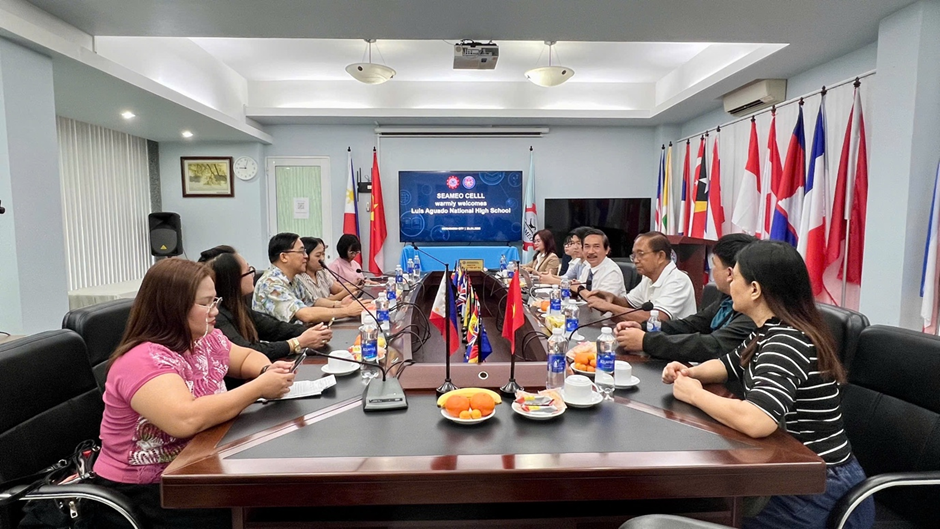
Both sides noted similarities between Vietnam and the Philippines in their educational contexts, agreeing that shared experiences could help address common challenges, particularly those faced in classrooms. They emphasised the importance of practical solutions to improve teaching and learning outcomes.
The visit concluded with an agreement to develop joint activities in the near future, including teacher upskilling workshops, professional development programmes, and potential teacher exchange and study visit initiatives.
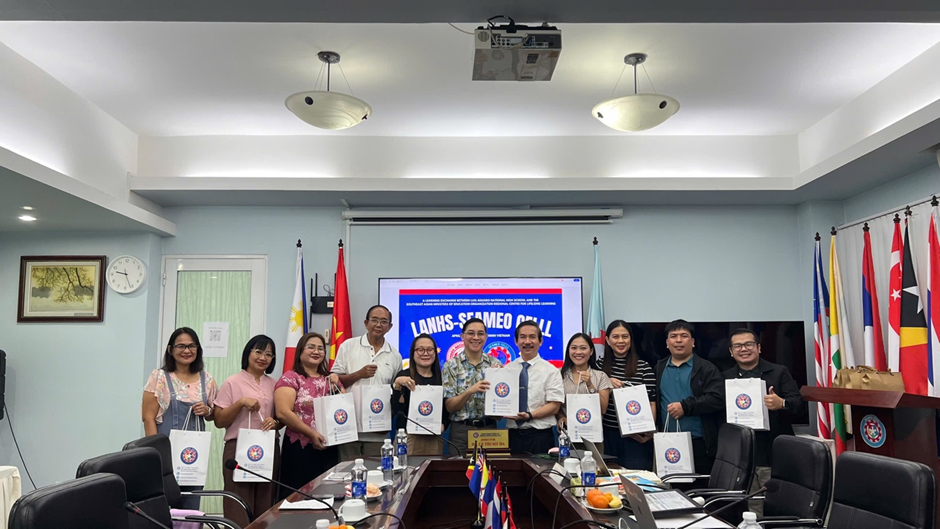
The engagement reflects a growing trend of cross-border collaboration in Southeast Asia aimed at strengthening education systems and advancing lifelong learning for all. This was the first ever visit to SEAMEO CELLL by Luis Aguado National High School. Located in Trece Martires City in Cavite province, the Philippines, the school is a public secondary school under the national education system, serving students from junior secondary levels. The school has been involved in various innovation and research initiatives led by its teaching staff, particularly in science and literacy education, reflecting a strong focus on improving learning outcomes and supporting struggling students through targeted interventions.